English
 Français
 Pусский
 Español
 Português
 ไทย
 العربية
 िन्दी
 Indonesia

Soluções personalizadas para manutenção de trilhos

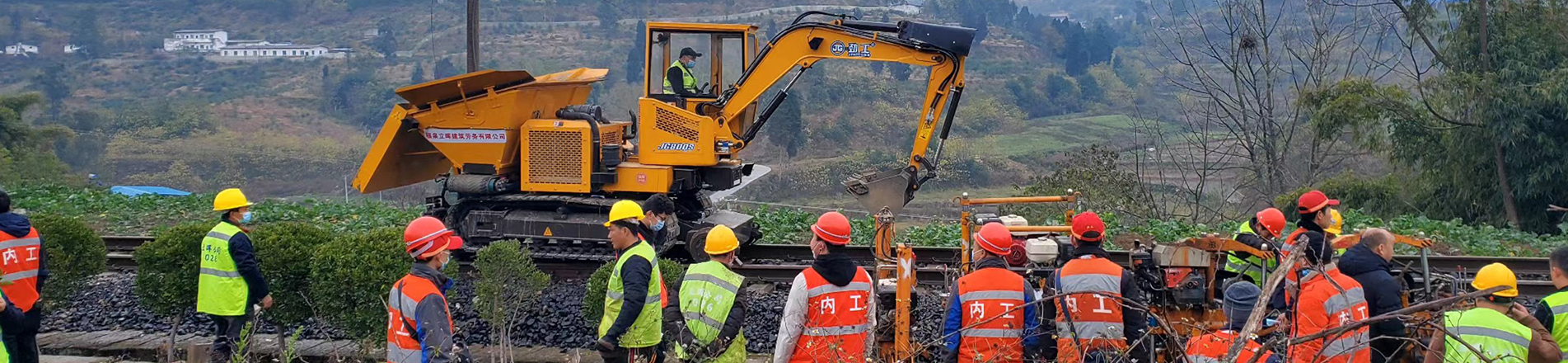
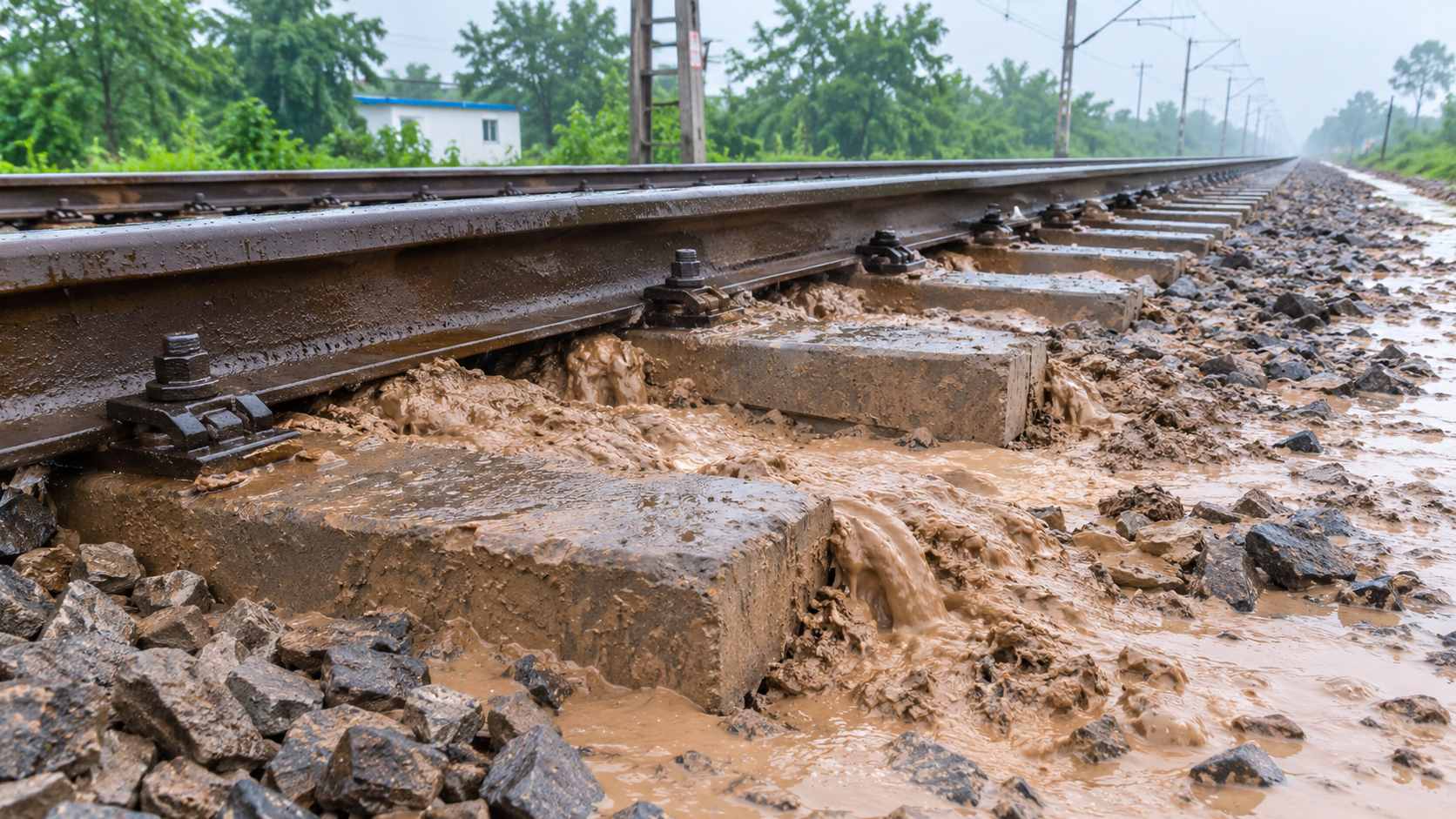
If you manage railway maintenance projects in tropical, subtropical or high-rainfall regions, you have almost certainly encountered mud pumping. It is one of the most stubborn recurring track defects that haunts railway contractors, track engineers and asset owners alike. After heavy rain, muddy slurry squeezes upward through the voids between ballast stones, oozing out around sleepers and rail footings. At first glance, it may look like a minor muddy mess that can be swept away quickly. However, many maintenance teams learn the hard way that simple surface cleaning never solves the root problem. Once mud pumping takes hold on a track section, it keeps coming back after every rainfall, triggering repeated rework, client complaints, speed restrictions and even emergency line blockages.
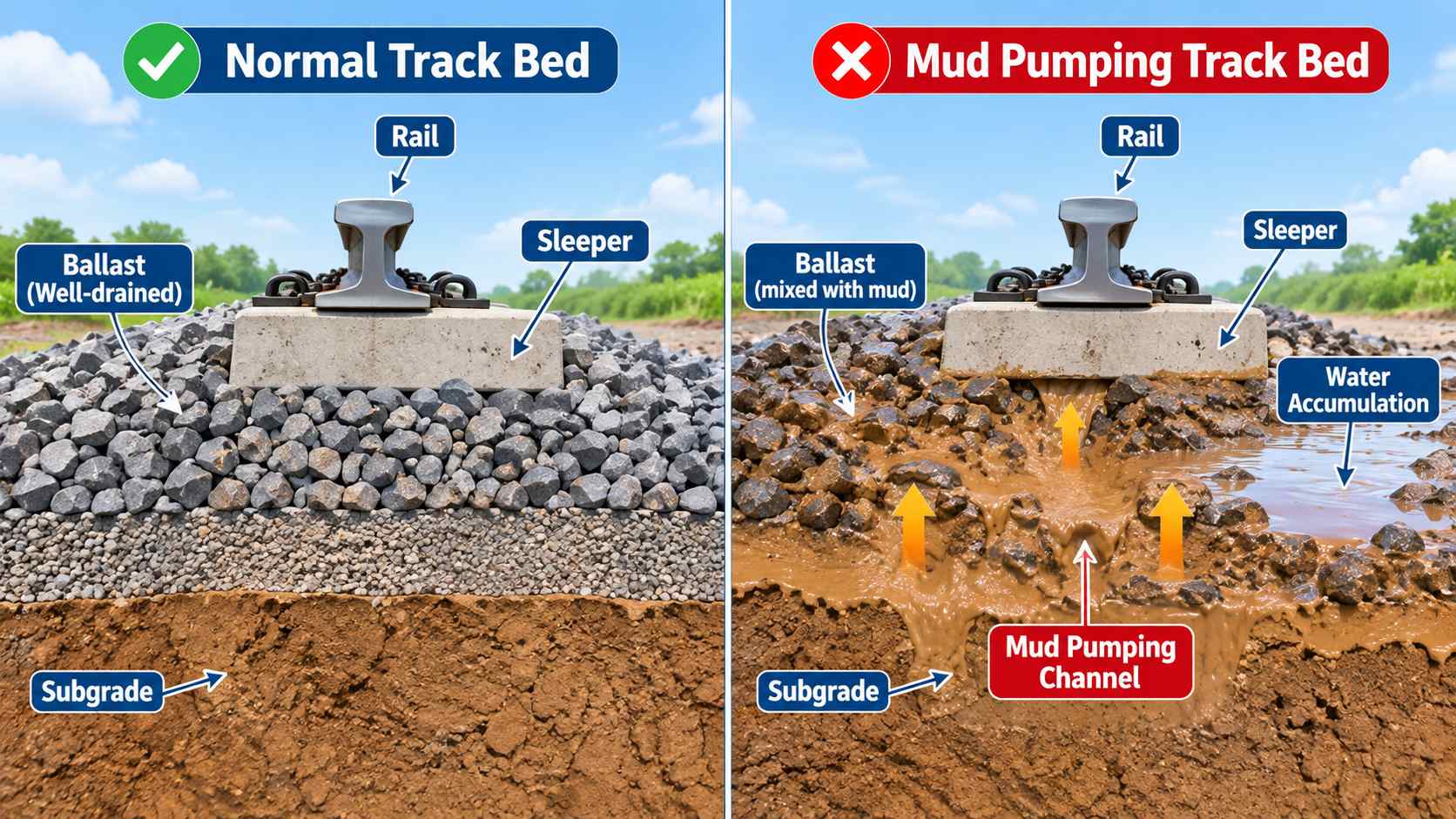
Mud pumping is not just a cosmetic issue. It is a signal that the whole track bed structure has lost its stability. When rainwater cannot drain away fast enough, it becomes trapped beneath the ballast layer. Fine soil particles from the subgrade mix with standing water to form slurry. Under the dynamic load of passing trains, this slurry is pumped upwards through the ballast gaps. As the fine base material washes away, voids start to form under sleepers. The sleeper loses uniform support, leading to uneven settlement, poor track geometry, bouncing rails and accelerated ballast fouling. In severe cases, the sleeper will hang in the air partially, which raises major derailment risks. For railway maintenance teams, the worst part of mud pumping is its cyclic nature: rainfall triggers pumping, pumping damages the subgrade, weaker subgrade holds more water, and the next rain brings another round of failure.
Surface cleanup only will not stop recurring track damage
Many field crews make the same common mistake when handling mud pumping. They only remove visible mud on the surface, add some fresh ballast on top and compact the track locally. This temporary fix can make the track look acceptable for inspection, but it does not improve drainage or repair the damaged subgrade. Within weeks or even days after the next storm, mud will appear again.
This repeated patchwork repair creates a huge hidden cost for the project: extra labour, repeated material consumption, wasted maintenance window time, and continuous pressure from the railway asset owner. Long-term recurring mud pumping will also shorten the service life of sleepers, fasteners and rail pads, pushing up the whole lifecycle cost of the track. For many contractors, the bottleneck lies in limited track possession hours: traditional manual or small-scale machinery cannot finish full restoration within short night-time windows. Large dedicated ballast-cleaning trains work well for main lines yet are too bulky for branch lines, regional tracks and tight curve sections. A flexible multi-purpose hi-rail machine with interchangeable attachments becomes a practical alternative.
- Diagnose failure sources before starting any repair work
To design a permanent cure, we first need to classify mud pumping types according to root causes.
- Subgrade-originated mud pumping This happens when the natural formation under the track is clay-rich or silt-heavy. These soils have low permeability. Rainwater infiltrates and cannot drain downward, turning the top subgrade layer into soft mud. This is the most widespread type on older regional lines and branch railways.
- Ballast-borne mud pumping It occurs when the ballast layer is already heavily fouled with fine dust, sand and organic debris. The fouled ballast loses its void space and drainage capacity. Rainwater stays trapped inside the ballast matrix, and the existing fine materials get churned into slurry under train vibration.
- Drainage-induced mud pumping Even if the subgrade and ballast are in good condition, blocked side ditches, clogged cross drains or improper track cross slope will force water to pool directly under the track centre. This is very common on curves, cut sections and low-lying track segments.
Match your workflow to actual track conditions, select proper attachments for hi-rail carrier
For drainage-related mud pumping, the priority is to restore a complete drainage system before touching the ballast. Maintenance teams need to inspect side ditches, catch drains and cross drainage pipes along the affected section. Vegetation, silt and fallen debris must be cleared out to guarantee free water flow.
For track sections with insufficient cross fall, controlled re-profiling of the track shoulder can help guide surface water away from the rail centre. Many engineers overlook shoulder drainage: if the shoulder is higher than the track edge, all rainwater will flow inward instead of outward. This simple design error can turn a healthy track into a mud pumping hotspot every rainy season. Compact hi-rail excavator such as JINGGONG JG80ST / JG150LT can drive directly on-track. Fitted with ballast cleaner attachment, it efficiently cleans ditches, removes silt and reshapes track shoulders without occupying large working space.
For fouled ballast that triggers pumping, ballast cleaning is the core solution. The cleaning process removes all fine contaminants that block voids while retaining qualified, angular ballast stones. After cleaning, the ballast recovers its drainage and load-bearing capacity. In cases where the ballast is too heavily degraded or the fouling layer is extremely thick, full ballast renewal is required.
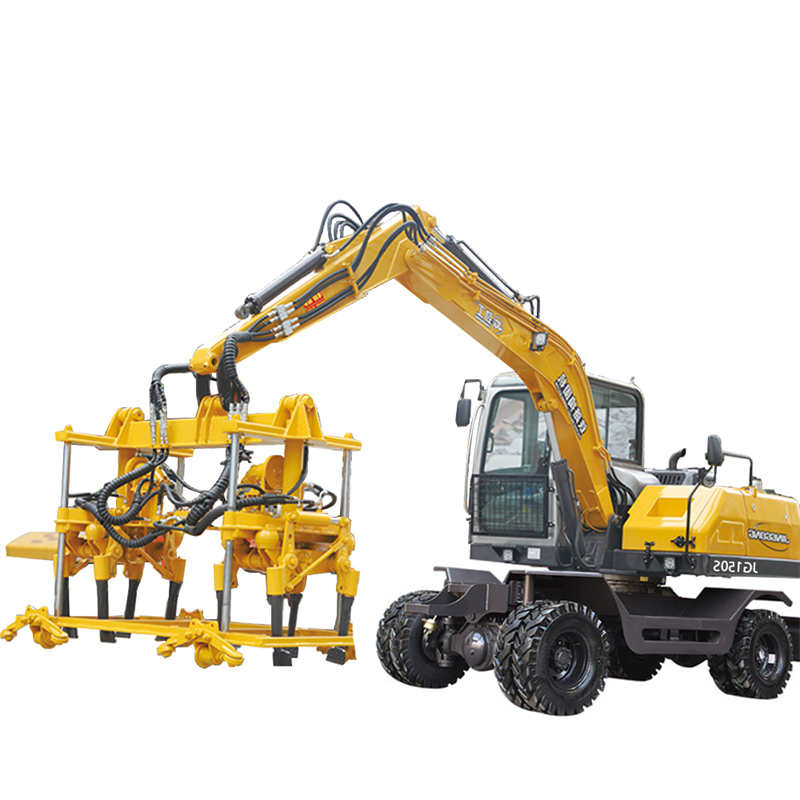
After ballast cleaning or renewal, proper tamping and stabilisation are critical. Tamping must evenly support every sleeper, eliminating local voids. However, over-tamping should be avoided; excessive compaction can close the tiny voids that are needed for water movement inside the ballast layer. Mounted on JINGGONG hi-rail platform, ballast cleaner digs out contaminated ballast under sleepers. Follow-up use of material leveler attachment reshapes ballast profile and restores correct cross-slope. This whole set can be completed within tight maintenance windows.
When mud pumping originates from soft subgrade, the work becomes more complex. The weak subgrade layer cannot be stabilised only by adding new ballast. Popular field solutions include subgrade stabilisation, geotextile or geogrid installation, and subgrade replacement.
A high-quality non-woven geotextile separator sits between the subgrade and ballast layer. It allows water to pass through while stopping fine soil particles from being pumped upward into the ballast. This separator breaks the pumping channel and prevents the two layers from mixing again. For severely softened subgrade, partial excavation and replacement with free-draining granular material is the reliable long-term fix. This process requires precise excavation control, as over-digging will increase construction volume and waste time during limited track access windows. JINGGONG hi-rail excavator can switch quickly between digging bucket, ballast cleaner and material leveler, supporting multi-step subgrade remediation without bringing multiple separate machines to site.
Avoid worsening defects by working under unsaturated ground conditions
Working on mud pumping repairs in rainy seasons also brings strict site safety and scheduling limits. Repair work should ideally be arranged during dry intervals between rain events. Working on saturated subgrade will further disturb the base and make the problem worse. Before starting any excavation or cleaning work, crews must confirm the weather forecast and secure the track possession permit.
For emergency mud pumping defects that appear during continuous rain, temporary speed restriction is the standard risk control measure. Do not carry out deep subgrade repair while the subgrade is fully saturated.
Modular attachments reduce repeated repair cycles within limited maintenance windows
Selecting the right equipment directly shapes the efficiency and quality of mud pumping repair. Traditional manual digging and cleaning is slow and often cannot reach the deep fouled layer within the tight maintenance window. Large dedicated ballast-cleaning trains deliver high throughput yet lack flexibility for short defective sections, branch lines and tight curves.
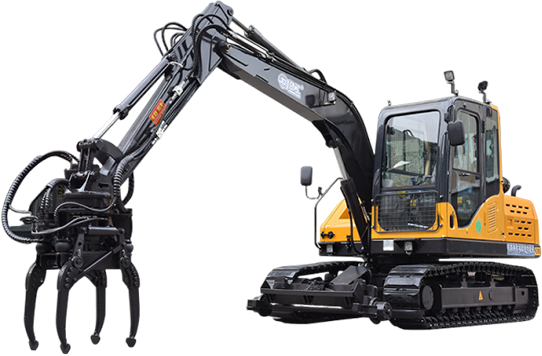
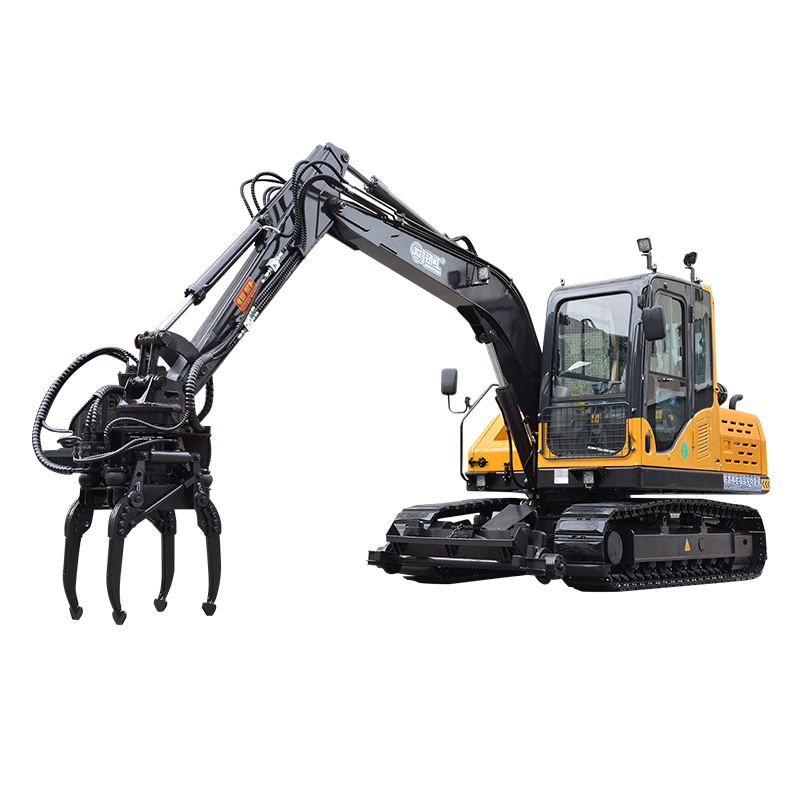
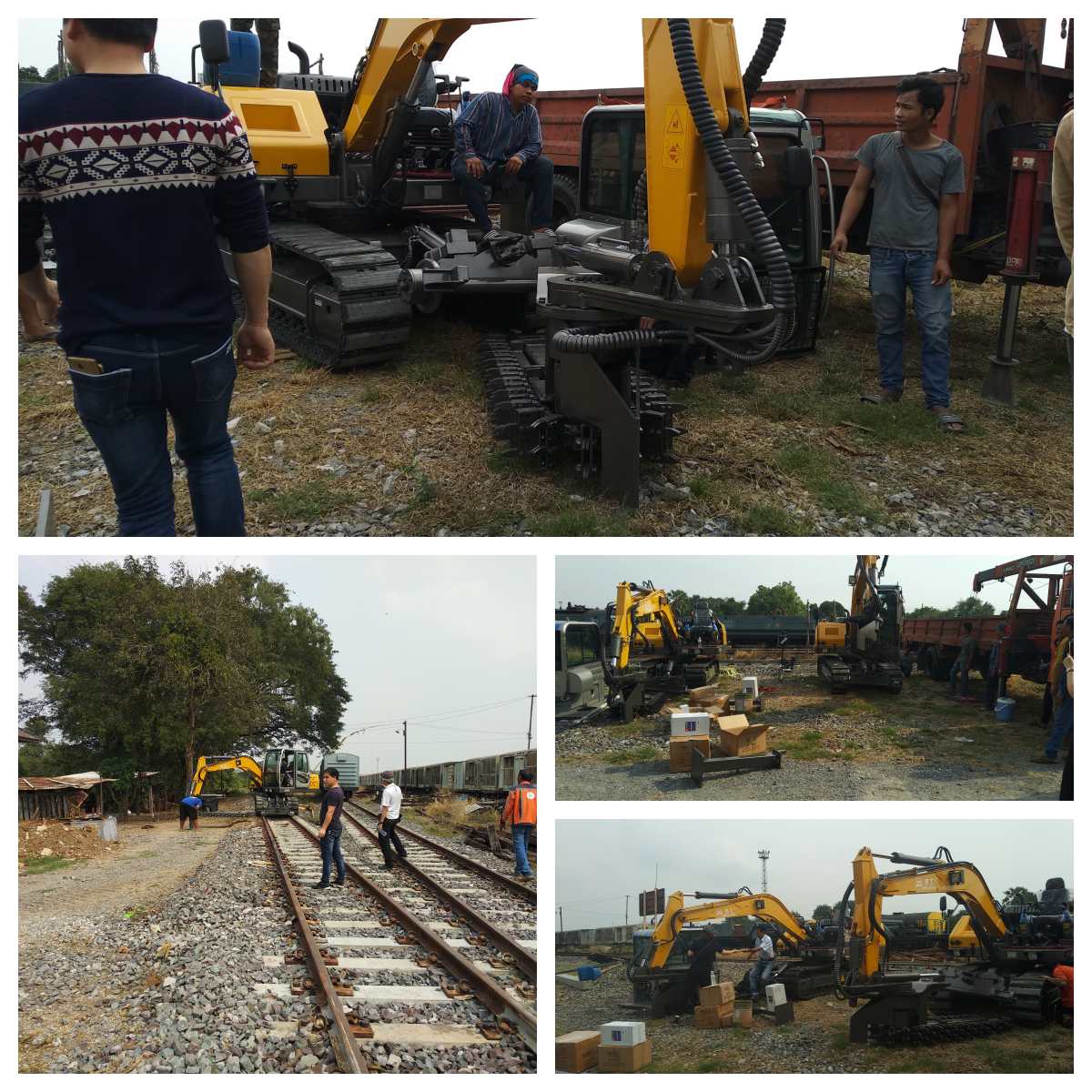
JINGGONG hi-rail special machinery series (JG80ST wheel-type, JG150LT crawler-type) are purpose-built for on-track maintenance. The main unit runs on rail directly without extra transport. It supports fast swap of modular attachments: ballast cleaner for fouled ballast excavation, material leveler for ballast profiling, standard digging bucket for ditch excavation. Operators can remove contaminated ballast, clear blocked drainage channels and reshape track shoulders in one continuous workflow on-site. This modular design reduces dependence on large work gangs, cuts repeated repair cycles and helps teams finish the whole restoration within one scheduled track access window.
Early intervention costs far less than full-scale remediation
It is equally important to build a regular inspection and preventive maintenance plan for high-risk lines. All low-lying sections, curve inner sides, cuttings and old clay-subgrade lines should be marked as priority monitoring zones before rainy season arrives.
Pre-season work includes ditch clearing, drainage pipe inspection, ballast fouling sampling and track geometry checks. Early signs of mud pumping include dark wet spots around sleepers, rising ballast fines, gradual track geometry drift and unusual track vibration. Catching these signs early only needs minor drainage adjustment or partial ballast cleaning, which costs far less than full subgrade remediation after severe pumping develops. Compact JINGGONG hi-rail machines with quick-change attachments are also well-suited for routine pre-rain-season patrol-based maintenance on branch and regional lines.
1. Can mud pumping be fixed permanently, or will it always return when it rains?
A: It can be permanently resolved if you identify and fix the root cause. Surface mud removal alone will not work. Permanent repair must restore drainage, separate the subgrade and ballast, and rebuild stable support. Many lines remain trouble-free for years after proper subgrade and drainage treatment.
2. How long do we need to wait after repair before reopening the track to full speed?
A: It depends on the repair scope. Simple ballast cleaning and drainage clearing usually require stabilisation and geometry testing before reopening. Deep subgrade replacement needs longer curing time for the new base material, and speed restrictions are normally kept for several days until inspection confirms stability.
3. What is the difference between mud pumping and ballast fouling?
A: Ballast fouling is the build-up of fine particles inside ballast. Mud pumping is a failure symptom that often results from fouling plus trapped water and dynamic train loading. Not all fouled ballast causes pumping, but pumping will always accelerate ballast fouling.
4. Is geotextile mandatory for all mud pumping repairs?
A: No. If the pumping only comes from blocked drainage, cleaning drains and reshaping shoulders may be enough. Geotextile separators are mainly used when the subgrade soil is fine-grained and prone to mixing upward with ballast.
5. Can one hi-rail machine handle multiple mud-pumping repair tasks?
A: Yes. JINGGONG hi-rail excavators adopt modular attachment design. One single main machine can match ballast cleaner, material leveler and digging bucket to complete ditch cleaning, fouled-ballast removal and track-bed reshaping, without deploying multiple separate machines to track site.
Railway mud pumping is a cyclic track disease widely seen in high-rainfall regions. Quick surface patching brings short-term relief yet cannot eliminate hidden risks. Successful treatment relies on accurate root-cause diagnosis: restoring drainage, cleaning fouled ballast or stabilising soft subgrade accordingly. Combined with pre-rainy-season patrols and proper mechanised tools such as JINGGONG hi-rail mainframe plus ballast cleaner & material leveler attachments, contractors can effectively cut rework, avoid speed restrictions and extend track service life. Modular attachment solution delivers great flexibility especially for branch lines, mountainous sections and short-segment defect repair where large dedicated maintenance trains cannot reach.
If you are looking for reliable mechanised solutions to tackle mud pumping, ballast clearing and track bed restoration for your railway maintenance projects, feel free to contact us for more technical support and equipment details. Email:winny@fjjgjx.com | Tel:+8618805957336