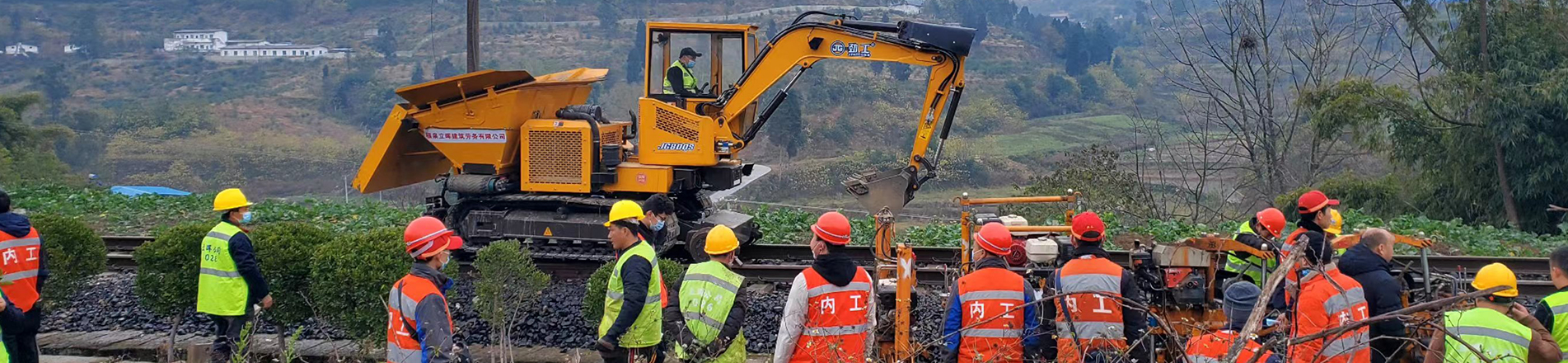
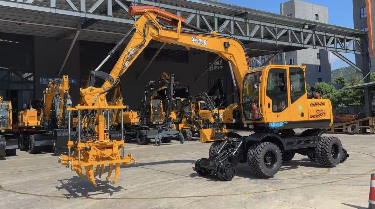
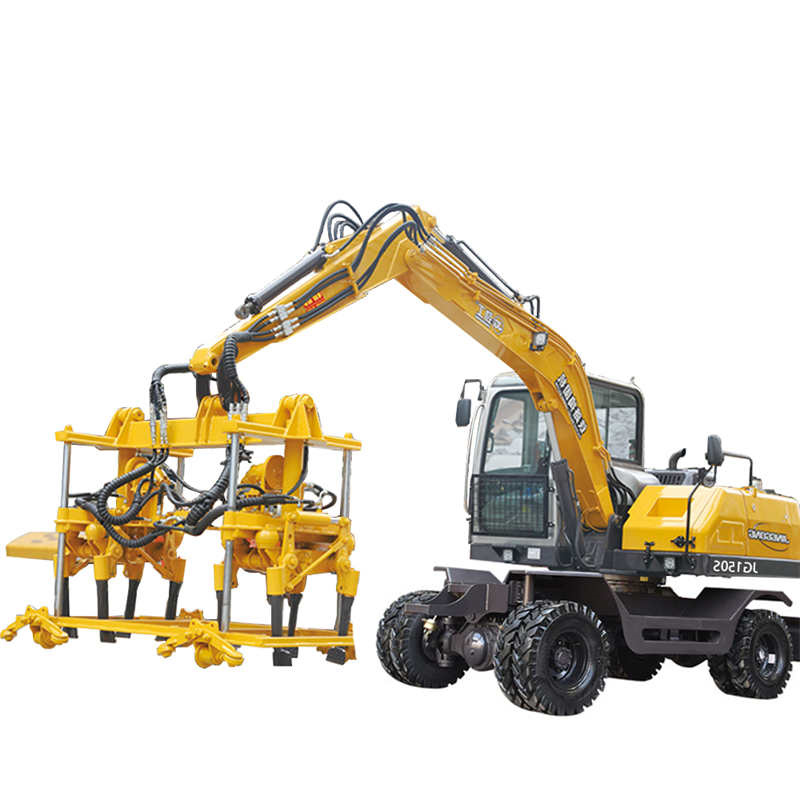
Muitas organizações globais empreiteiras ferroviárias dificuldade com uma questão fundamental de seleção: Qual é a melhor opção? cabeça única ou máquina de compactação de cabeça dupla?
Os dois dispositivos completam a mesma função. compactação de lastro função, mas diferem drasticamente em lógica de funcionamento, eficiência do ciclo, e adaptabilidade de construção.
Máquina de compactação de cabeça única
Aunidade de compactação de cabeça única Apenas um lado do dormente é danificado por ciclo de trabalho. Requer repetição. operação de vaivém para finalizar a compactação completa dos dormentes.
Cenários aplicáveis: Em pequena escala reparo de trilhos, esporádico tratamento de defeitosProjetos de manutenção de baixa frequência onde a eficiência não é o requisito principal.
Principais desvantagens: Longo ciclos de trabalho, desigual densidade de compactação, baixo produção diária de construção, não adequado para manutenção de janelas com prazo determinado.
Máquina de compactação de cabeça dupla (Equipamento de compactação de cabeça dupla)
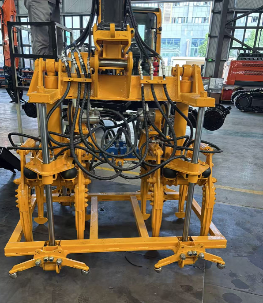
A máquina de compactação de cabeça dupla adota estrutura de compactação síncrona bilateral, compactando o lastro em ambos os lados do dormente simultaneamente em um único ciclo.
Em comparação com equipamentos de cabeça única, a compactação de cabeça dupla oferece melhorias abrangentes:
- Aumento de 50% na eficiência geral do trabalho
- Menos ciclos de trabalho repetidos
- Densidade de compactação de lastro mais uniforme
- Tempo de ocupação da via mais curto
- Maior produtividade diária de manutenção
Para projetos ferroviários com requisitos rigorososlimites da janela de manutenção, equipamento de compactação de cabeça dupla é o mais solução com boa relação custo-benefício para melhorar a eficiência da construção e reduzir perdas de desligamento de linha.
Principais vantagens das máquinas de compactação de cabeçote duplo em Moderno Manutenção Ferroviária
1. Adaptar-se estritamente a Janelas de posse ferroviária limitada
Ferrovias principais, transporte ferroviário urbano, e trilhos da estação Permita apenas períodos extremamente curtos de manutenção à noite ou durante intervalos. Compactação de cabeça dupla Conclui a compactação padronizada em menos ciclos, garantindo que as esteiras voltem à operação normal dentro do prazo.
2. Mais alto Consistência de compactação & Qualidade da Construção
Compactação bilateral síncrona Evita o desvio de compactação unilateral causado pela operação repetida de uma única cabeça. Uniformedensidade de lastro mantém estável geometria da pista por um período mais longo, reduzindo frequência de manutenção.
3. Inferior Custo operacional abrangente
Alta eficiência significa menos horas de trabalho, menos consumo de combustível do equipamento, reduzido insumo de mão de obrae menos reparos secundáriosEm operação ferroviária de longo prazo, compactação de cabeça dupla efetivamente reduz o geral orçamentos de manutenção de infraestrutura.
4. Forte Mobilidade no local & Flexibilidade
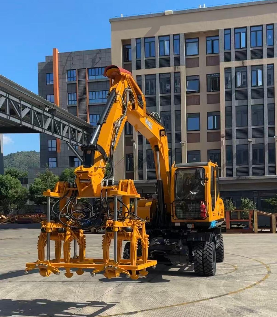
Máquinas compactas de compactação com cabeçote duplo Abandonar o design volumoso dos grandes trens de socagem. Eles apresentam caminhada flexível, implantação convenientee não há necessidade de equipamentos auxiliares de grande escala, adaptando-se perfeitamente a ambientes dispersos obras de reparo locais.
Melhores cenários de aplicação para Equipamento de compactação de cabeça dupla
Tecnologia de compactação de cabeça dupla Não se limita à manutenção geral de ferrovias. Apresenta vantagens únicas em alta precisão e cenários com restrições de tempo:
Desvios e chaves ferroviárias
Áreas de concentração As vias férreas possuem estruturas complexas, frequentes mudanças de tensão e exigem alta precisão. Sendo o elo mais frágil das linhas férreas, os aparelhos de mudança de via requerem componentes uniformes e densos. suporte de lastro. socagem síncrona de cabeça dupla estabiliza eficazmente geometria do desvio e garantias precisão de comutação e segurança ao dirigir.
Trilhos da Estação e do Terminal
Os trilhos da estação têm densidade fluxo de tráfego e extremamente apertado janelas de manutençãoEficientecompactação de cabeça dupla minimiza horário de desligamento e garante a continuidade capacidade de transporte ferroviário.
Ferrovias regionais e linhas ferroviárias industriais
ferrovias de mineração, linhas dedicadas de fábrica, e ramais regionais Caracteriza-se por falhas dispersas e manutenção frequente em pequena escala. Máquinas compactas de compactação com cabeçote duplo apoiar transferência rápida e reparo sob demanda, ideal para manutenção diária de trilhos industriais.
Novos projetos de pavimentação e renovação de trilhos
Em nova linha nivelamento de lastro e velho reforma da pista, compactação de cabeça dupla melhora o geral progresso da construção e garante consistência geral qualidade da fundação da pista.
Ampla compatibilidade Com Diversas especificações ferroviárias
Moderno máquinas de compactação de cabeça dupla compactas Suporte à adaptação universal em múltiplos cenários, compatível com os principais padrões ferroviários globais:
Vários tipos de camas
- Dormentes de concreto
- Dormentes de madeira
- Dormentes de aço
Diversas bitolas ferroviárias
- Bitola padrão (1435mm)
- Bitola estreita
- Medidor dedicado à mineração
- Bitola personalizada para ferrovias industriais
Um único dispositivo adapta-se a vários tipos de linha, melhorando significativamente a compatibilidade. taxa de utilização do equipamento para empresas de engenharia ferroviária.
Manutenção de equipamentos & Estabilidade operacional a longo prazo
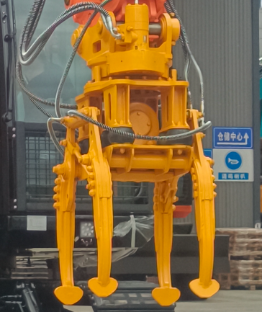
Dentes de palito de compactação, sistemas hidráulicos, ecomponentes de vibração São componentes essenciais sujeitos a desgaste em equipamentos de compactação.
Otimizado máquina de compactação de cabeça dupla projeto estrutural realiza Substituição rápida de palhetas de compactação, reduzindo significativamente o tempo de inatividade no local. Inspeção regular decircuitos hidráulicos, sistemas de vibração, e peças de desgaste garante estabilidade a longo prazo desempenho do equipamento e se estende vida útil.
Por que Compacto de dupla cabeça Essa é a tendência para 2026. Manutenção Ferroviária
Grande trens de socagem integrados São adequadas apenas para renovação de linhas em grande escala. Para uso diário. reparo de falhas, substituição de dormitório, parcial reforço de lastro, e manutenção de desviosEquipamentos de grande porte têm custos elevados e pouca flexibilidade.
Máquinas compactas de compactação com cabeçote duplo equilíbrio perfeito eficiência, mobilidade, e custo:
- Alta eficiência próxima de equipamentos de compactação de grande porte
- Flexibilidade de máquinas de engenharia de pequeno porte
- Baixo consumo de combustível e baixo custo de manutenção
- Sem barreiras para implantação em larga escala
Diante da crescente crise global custos de mão de obra e mais rigoroso horários de operação ferroviária, equipamento de compactação de cabeçote duplo tornou-se a solução preferida pela maioria das empresas paraempreiteiras ferroviárias, escritórios de infraestrutura, e empresas ferroviárias industriais.
Conclusão
socagem de lastro é um processo central indispensável para garantir segurança ferroviária, estabilidade, e longa vida útil.
Em comparação com o tradicional máquinas de compactação de cabeça única, equipamento de compactação de cabeça dupla proporciona maior eficiência, mais uniforme qualidade de compactaçãoe mais baixo custo de tempo, adaptando-se perfeitamente às ferrovias modernas manutenção de janela limitada, reparo de precisão de desvio, e manutenção diária de trilhos industriais.
Para equipes de engenharia ferroviária que buscam alta qualidadeprodutividade e baixo custos de manutenção abrangentes, atualizando para tecnologia de compactação de cabeça dupla é a mais prática e solução de otimização de alto retorno.
 English
 Français
 Pусский
 Español
 Português
 ไทย
ไทย العربية
 िन्दी
िन्दी Indonesia